
Challenges to Clean Transportation Incentives
Recently, leaders from the electric vehicle (EV) and green energy sectors raised urgent concerns regarding Congress’s approach to domestic policy legislation that could significantly impact clean transportation and energy initiatives. These discussions come as lawmakers weigh the proposal known as the Big Beautiful Bill, which aims to overhaul parts of the federal budget and extend certain tax breaks. However, this bill also threatens to dismantle critical components of the Inflation Reduction Act (IRA) of 2022, a cornerstone of former President Biden’s climate agenda.
The Inflation Reduction Act: A Foundation for Green Innovation
The Inflation Reduction Act was designed to address human-caused climate change by fostering the development of clean technologies and reshaping the economy. It included numerous incentives, such as tax breaks and credits, which have been instrumental in transitioning various industries, including trucking, away from fossil fuels toward sustainable alternatives. Ted Fertik, vice president for manufacturing and industrial policy at the BlueGreen Alliance, voiced the concern that the proposed legislation serves as “a sledgehammer” to these vital investments, jeopardizing jobs, lowering costs, and stalling manufacturing innovation across the nation.
Uncertain Legislative Outcomes
The future of this legislation remains ambiguous. As of Friday, conservative members of the House Budget Committee blocked the bill, citing concerns over the national deficit. The apprehension surrounding the potential rollback of clean energy incentives cannot be understated, particularly given the momentum the IRA has generated in advancing electric vehicle technology and infrastructure.
The Immediate Impact of Potential Rollbacks
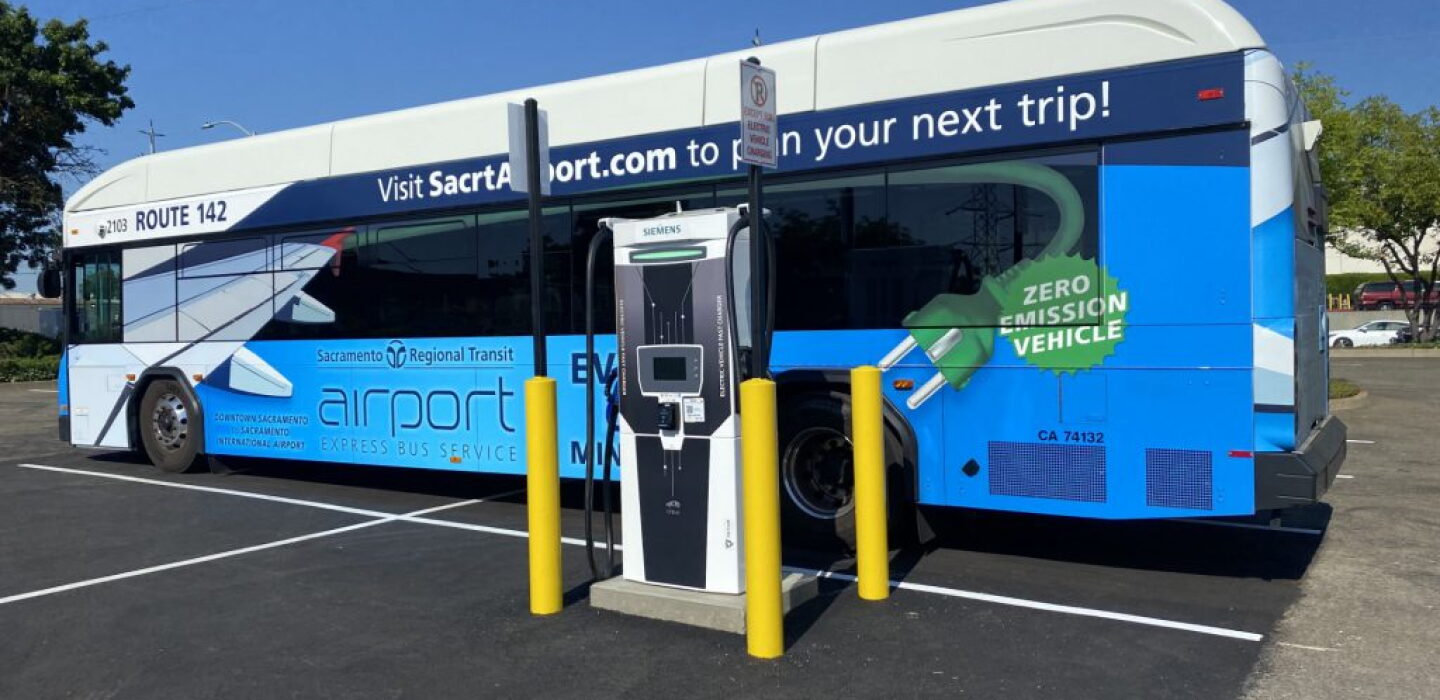
Critical incentives such as the Alternative Fuel Vehicle Refueling Property Credit (30C) and the Commercial Clean Vehicle Credit could be eliminated. The former has facilitated the development of EV charging stations, while the latter provides a substantial tax break of $7,500 for businesses and nonprofits purchasing electric vehicles. Losing these credits could lead to higher costs for households looking to transition to electric vehicles and make installing chargers in rural or underserved areas more challenging.
The Health and Economic Benefits at Stake
Advocates stress the significant health benefits of moving away from diesel trucks. Research indicates that replacing a diesel vehicle with an electric one can cut pollution impacts associated with that truck by nearly 80%. Steven Higashide, from the Union of Concerned Scientists, emphasized that we are witnessing a pivotal moment for zero-emission vehicles, which have the potential to revolutionize freight systems and offer considerable savings to fleets.
The Global Context: Competing with China
As the U.S. debates its commitment to clean energy, experts warn of the competitive threat posed by countries like China. Adam Browning, executive vice president at Forum Mobility, likened the current moment to a "Sputnik moment," pointing out that a significant percentage of heavy-duty truck sales in China are already zero-emission. To maintain its leadership in innovation, the U.S. must not only keep pace but also innovate with the same urgency as during the Apollo era.
Diverse Perspectives on the Issue
Despite the urgency communicated by green energy leaders, opinions among lawmakers vary. Some Republican representatives, like Kentucky’s Brett Guthrie, argue that the proposed legislation counters excessive spending and reassures the public that the government is prioritizing fiscal responsibility over a "left-wing agenda." Guthrie expressed the belief that returning $6.5 billion in unspent funds would be a step towards eliminating what he perceives as wasteful climate spending.
National Security and Future Assurance
Michael Fielkow of Harbinger Motors emphasized that this issue transcends partisan lines; it’s fundamentally about American national security and the development of future technologies in transportation. The crux of the matter revolves around whether the U.S. will invest in growing these crucial technologies domestically or surrender that space to other nations.
A Critical Crossroads
As Congress deliberates on these pivotal pieces of legislation, the balance between fiscal restraint and investment in a sustainable future hangs in the balance. The upcoming decisions will not merely define the future of electric vehicles and clean energy; they will shape the U.S.’s role as a leader in global innovation and job creation.



