
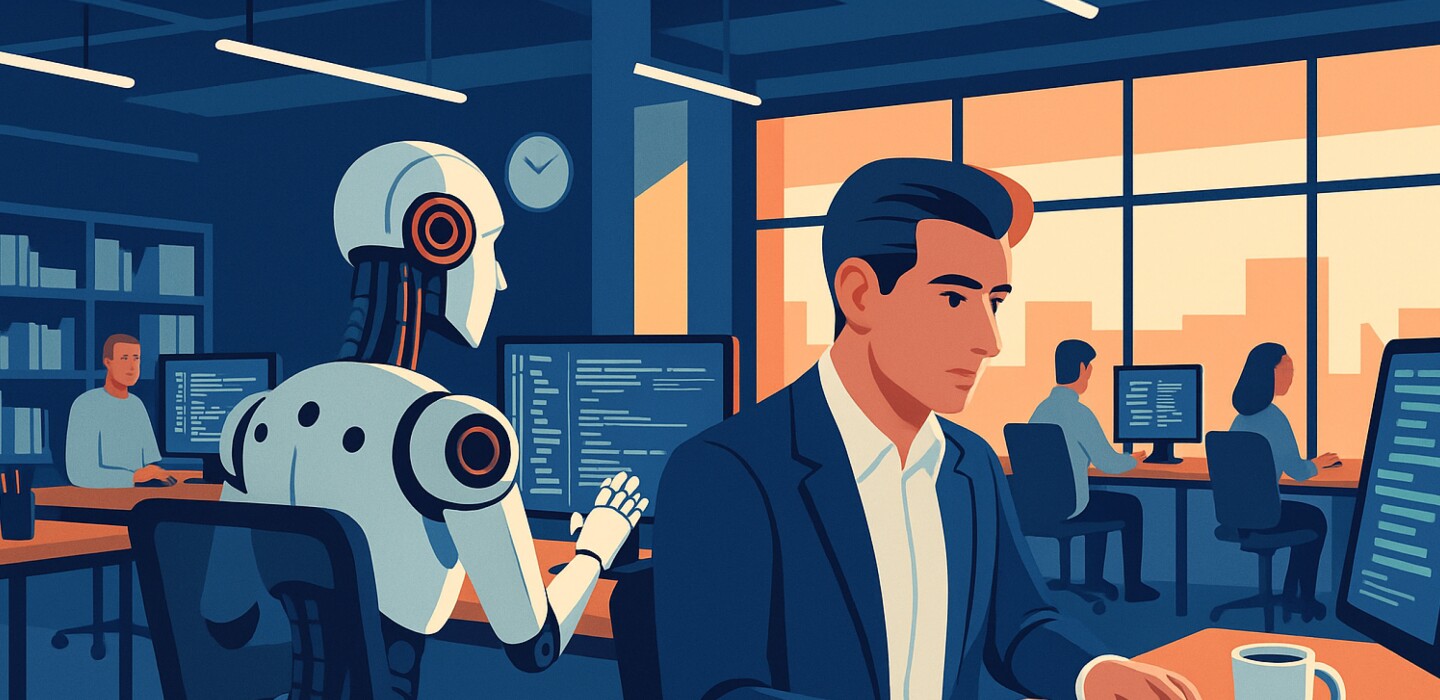
How AI is Reshaping Government Workplaces
When the AI boom surged a few years ago, many worried about robots taking over human jobs. However, the reality is evolving differently: artificial intelligence is proving to be a powerful tool for government workers, reshaping how they perform their daily tasks. While AI excels at automating routine responsibilities, alleviating some of the burdens on overextended state and local teams, a cautious approach is still required, as this transformation is very much a work in progress.
How AI Can Help
The positive potential of AI is becoming increasingly evident across various states, including Maryland, where it’s already influencing workplace dynamics. CIO Katie Savage remarked on AI’s capacity to assist with daily workflows, such as drafting emails and summarizing documents. Notably, many agencies have deployed chatbots to streamline customer service, relieving the pressure on user support teams.
In Georgia, the government is also harnessing AI’s capabilities, helping agencies to “do more with less.” For example, AI has enhanced cybersecurity operations and streamlined the processing of unemployment applications. According to Georgia’s CIO, Shawnzia Thomas, AI is delivering “efficiency, accuracy, and capacity.” By automating mundane tasks, it allows government employees to focus on complex aspects requiring judgment, empathy, and innovation.
Meanwhile, in New Jersey, an AI sandbox has been in operation for over a year, engaging around 20% of state workers who actively utilize it. This innovative approach has yielded significant time savings for employees who use AI to draft and edit communications and summarize lengthy reports. As Chief Innovation Officer Dave Cole points out, AI can sift through extensive public feedback on various issues, distilling actionable insights in a consistent and fair manner.
However, organizations must tread carefully in this evolving landscape. For instance, Maryland’s IT team has taken the precaution of blocking third-party transcription software to safeguard sensitive data. Recognizing the potential risks, they have also established a Responsible AI Policy overseen by a dedicated advisor.
Addressing Human Capital Concerns
Despite the growing optimism around AI, concerns related to human capital remain. While many government workers feel less threatened by AI takeover than in the past, fears linger about job displacement. Mary Guy, a public affairs professor, highlighted a troubling trend: while AI can expedite HR processes, it has also led to an influx of generated resumes that often misrepresent applicants’ qualifications.
Samantha Shorey, an assistant professor at the University of Pittsburgh, raises another concern: as AI-powered chatbots take on repetitive inquiries, human workers are increasingly left dealing with complex issues. While this can lead to improved efficiency, it might also lead to faster burnout among employees handling the tougher cases.
Filling the Skills Gap
As AI continues to evolve, it becomes clear that it has the potential to address certain existing skill gaps in government. With many agencies facing budget constraints and hiring freezes, Thomas believes that AI can critically help stretch limited budgets, protect essential services, and mitigate waste and fraud. In fields like cybersecurity, where reviewing vast data sets is vital, AI becomes indispensable in identifying patterns over time.
Furthermore, traditional programming skills, such as COBOL, have become increasingly rare, complicating the maintenance of legacy systems. AI can step in to automate various data management tasks, allowing analysts to generate actionable insights without needing extensive training in data science.
Job Replacement Concerns
While there’s a prevailing belief that AI will make work life easier, some workers still harbor anxiety over job security. Discussions have emerged around federal budget cuts and layoffs, leading employees to fear that AI could justify workforce reductions—not merely supplement existing roles. The Roosevelt Institute’s research illustrates this shift in public sentiment, suggesting that as AI’s capabilities unfold, so too do the worries regarding its implementation.
Shorey notes that many workers have adjusted their perspectives but still fear that AI might be leveraged to justify downsizing. She argues for the necessity of transparent communication from leadership to reassure employees that the goal of AI adoption is to enhance, not replace, their roles.
To alleviate such fears, Thomas emphasizes the importance of involving workers in the AI adoption process. By encouraging employees to identify tasks they find repetitive and where AI can be of assistance, they feel empowered rather than threatened.
What’s Next?
As AI enters its next phase of integration, key lessons collected from early implementations can guide future endeavors. Guy emphasizes that while some early enthusiasts have found themselves disappointed by the slow pace of AI integration, others, initially skeptical, are now surprised by the breadth of applications emerging.
As leaders recalibrate expectations for AI, Thomas warns that AI will automate specific tasks without eliminating entire jobs. She suggests that workforce planning should prioritize task reallocation over job elimination, which will likely necessitate comprehensive training initiatives.
In New Jersey, Cole highlights the importance of coupling training with tools to maximize effectiveness. The state has developed a free AI workforce training program that is accessible to about 25 states and localities, enriching teams’ capabilities while fostering greater utilization of AI-related tools.
Furthermore, as legislative discussions continue about the implications of AI’s decision-making authority, the value of human workers may be called into question. Will employees be recognized as indispensable to completing tasks, or merely as secondary to automated processes?
In this evolving landscape, CIOs like Thomas find excitement in the prospect of managing AI alongside human workers, indicating a shift towards a collaborative future rather than one of replacement. As both AI and the workforce evolve, the future of government workplaces promises innovation, challenges, and a journey still very much in progress.



