

Exciting Updates from Google Ads: A Deeper Dive into Performance Max Enhancements
Google Ads has just rolled out a fresh wave of updates to its Performance Max campaigns, catering to advertisers eager for more control and insight. For those who have been advocating for enhanced audience targeting, clearer reporting on new customer acquisition, and greater transparency concerning auto-generated assets, these updates will certainly feel like a breath of fresh air.
Let’s explore what’s new, why these updates matter, and how advertisers can make the most of them.
What’s New in Performance Max
Google has focused on three core areas of improvement in this round of updates for Performance Max campaigns:
- Expanded Audience and Campaign Controls
- Improved New Customer Acquisition Reporting and Diagnostics
- More Granular Creative Reporting and AI-Powered Asset Recommendations
Many of these features are currently rolling out widely, with some still in beta. Here’s a closer look at what these changes entail.
Expanded Controls Over Audience Targeting and Search Inventory
Historically, Performance Max has relied heavily on automation, sometimes sacrificing granular control in the process. However, these updates signal a positive shift.
Campaign-Level Negative Keyword Lists
Advertisers can now apply negative keyword lists across all Performance Max campaigns, streamlining the process significantly. Previously, managing campaign-level negatives had to be done on an individual basis—a tedious task particularly for those handling numerous asset groups. Now, brands can centralize exclusions of terms like “cheap” or “free” across multiple campaigns that are premium or luxury-oriented.
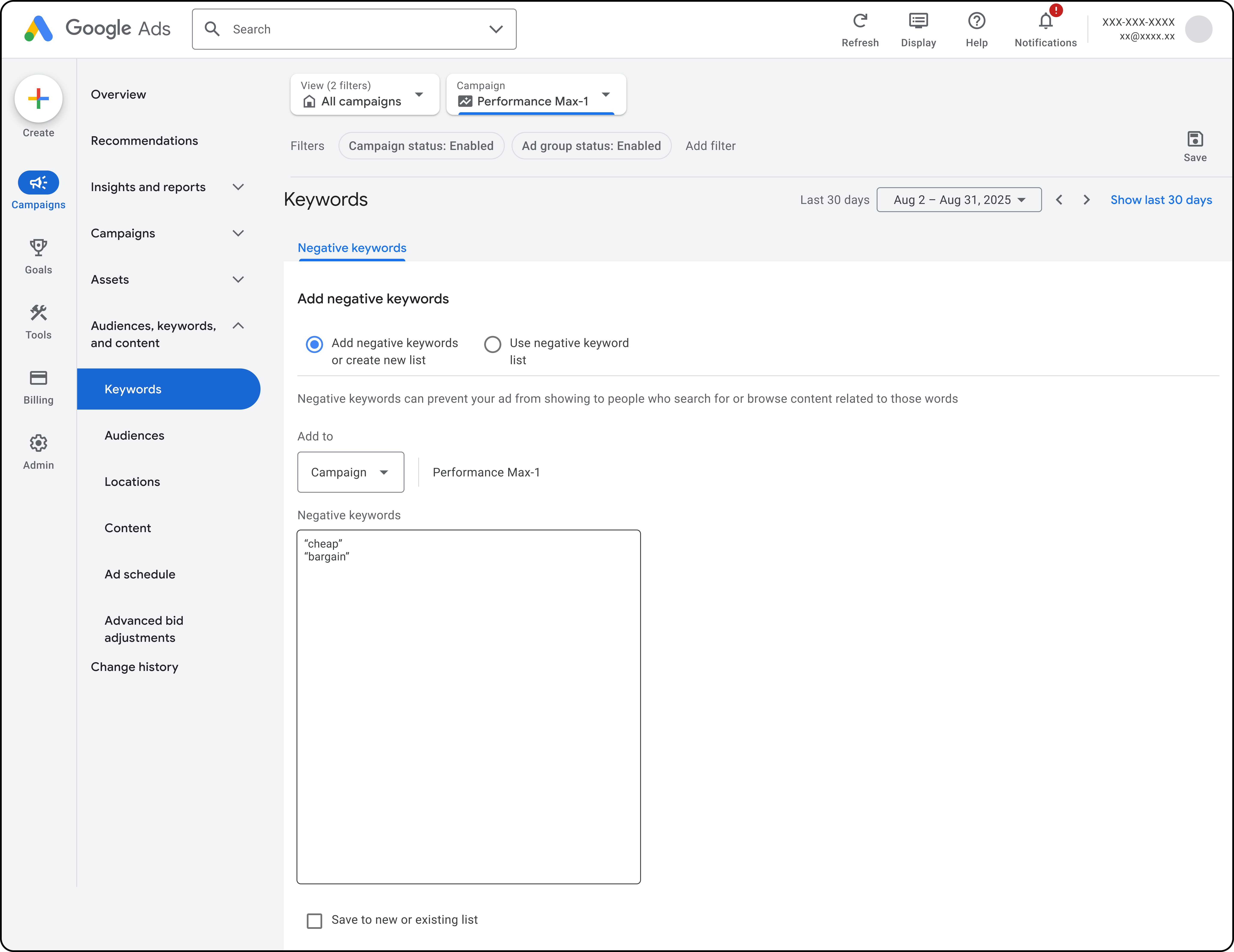
This enhancement transforms management scalability, allowing advertisers to ensure brand safety and suitability more efficiently.
More Search Themes Per Asset Group
The limits on search themes have doubled—from 25 to 50 per asset group. This update is particularly beneficial for brands wanting to dictate where their ads appear within Search without relying solely on historical keywords. By providing more information to Google, advertisers can influence ad matching more effectively while expanding eligible inventory.
Device and Demographic Targeting Updates
You now have full control over which devices your Performance Max campaigns run on—a major improvement from previous limitations. For instance, a gaming brand could restrict its campaigns to mobile devices, while a B2B advertiser might choose to exclude tablets altogether.
Furthermore, age targeting is finally available, enabling advertisers to focus on specific age ranges, with gender-based demographic targeting currently undergoing beta testing. These updates align Performance Max with the capabilities that advertisers have enjoyed in Search, Display, and YouTube campaigns for years.
New Customer Acquisition Reporting Gets Smarter
One longstanding frustration has been the ambiguity around "Unknown" conversions in reporting. This issue is being effectively tackled with the latest updates.
No More “Unknown” Conversions
The reporting now boasts improved logic for categorizing conversions as either new or returning customers. This is a game-changer for advertisers, as it removes those frustrating "Unknown" labels, providing a clearer picture of new customer acquisition.
This enhancement serves two key purposes:
- You can now accurately assess how many new customers your campaigns are generating.
- Bidding strategies that depend on new customer signals will be much more effective as data quality improves.
For even finer precision, Google recommends updating conversion tracking tags to include parameters for identifying new customer acquisitions. This integration offers a clearer distinction between first-time and returning customers.
New Goal Diagnostics and Recommendations
Google has also introduced goal-related diagnostics that can highlight issues within Performance Max campaigns, including broken conversion tags or goal misconfigurations. These tools come with actionable recommendations to rectify any encountered issues, which significantly reduces friction and confusion during campaign setup.
Creative Reporting and Asset Control Get a Boost
Asset transparency has long been a sticking point in Performance Max campaigns, and these latest updates aim to address this concern head-on.
Final URL Expansion Asset Reporting
Advertisers will now have visibility into assets generated via Final URL Expansion (FUE). This means advertisers can see the text and visuals created based on landing page content and assess their performance.
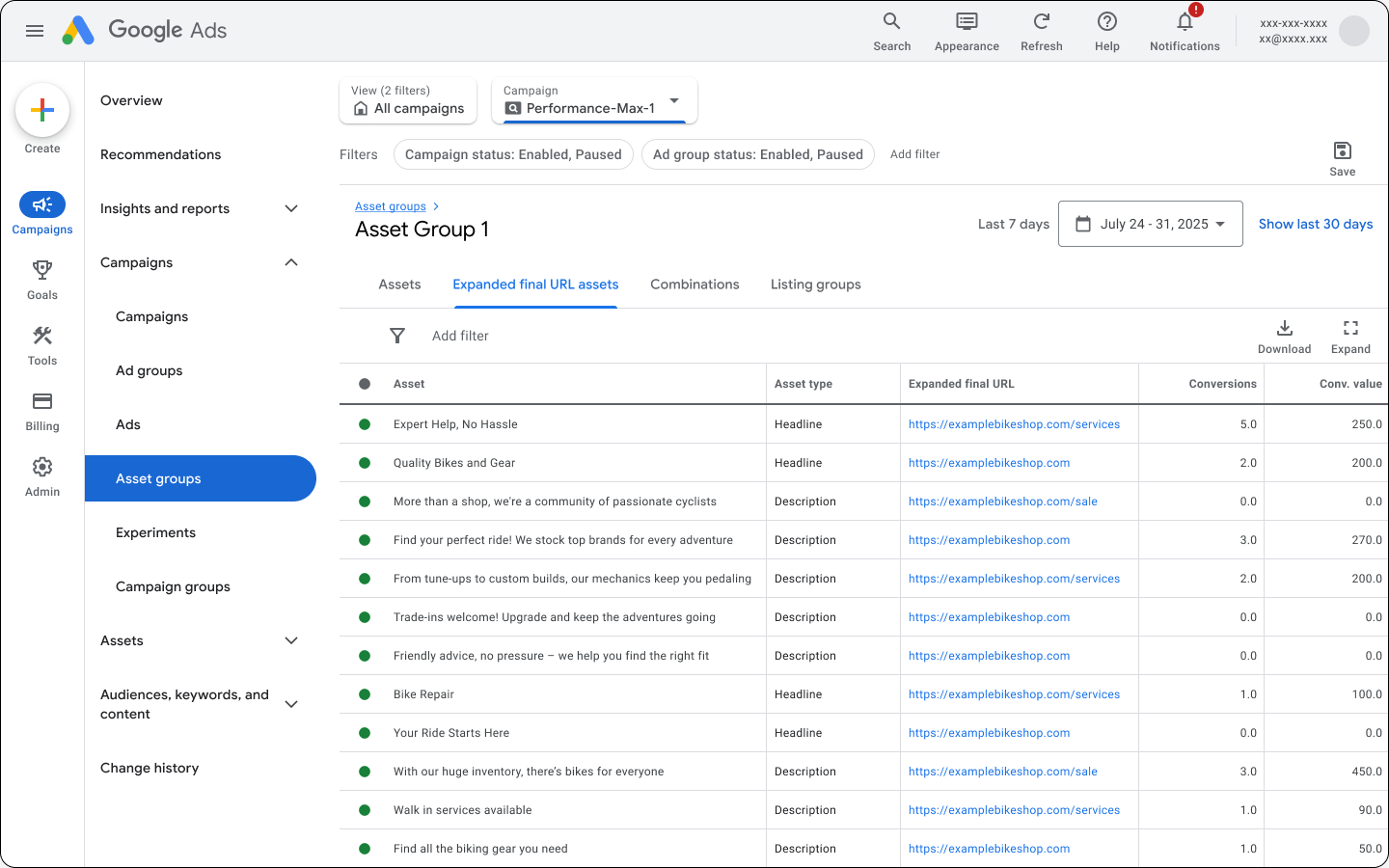
Most notably, advertisers can now remove unwanted assets generated by Google, addressing concerns regarding brand consistency—especially in terms of legal language and tone. This improvement is a victory for brands that prioritize maintaining a coherent voice across their advertising efforts.
AI-Powered Creative Recommendations
Performance Max will also provide image-specific recommendations designed to enhance performance. This includes suggestions on what visuals to add or how to optimize existing assets for various channels, such as YouTube or Discover.
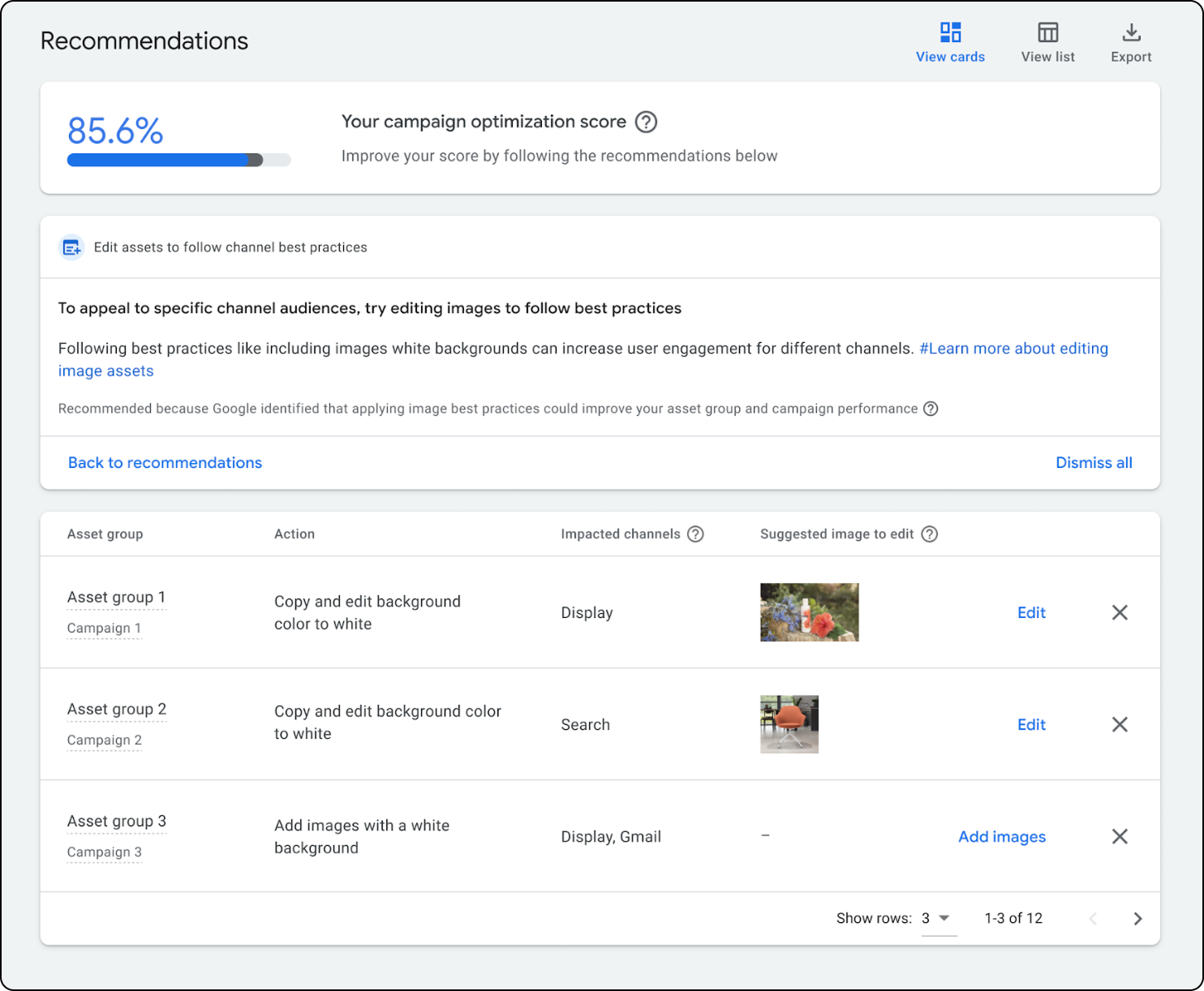
Moreover, these recommendations integrate seamlessly with Google Ads’ built-in AI-powered image editor, enabling advertisers to make edits directly within the platform—no need for external redesigns or re-uploads. This new feature encourages advertisers to engage more actively in creative strategy, even within a largely automated framework.
These updates showcase Google’s responsiveness to advertiser feedback, balancing the automation of Performance Max campaigns with increased control and transparency. For marketers, whether you’re aiming to refine audience targeting, address tracking problems, or optimize creative assets, this latest update is packed with valuable tools to help you achieve your goals. Each new feature provides opportunities to tailor Performance Max campaigns more closely to business objectives and audience insights, making it a noteworthy evolution in Google’s advertising offerings.



