Revolutionizing Airport Travel: The Rise of Autonomous Wheelchairs
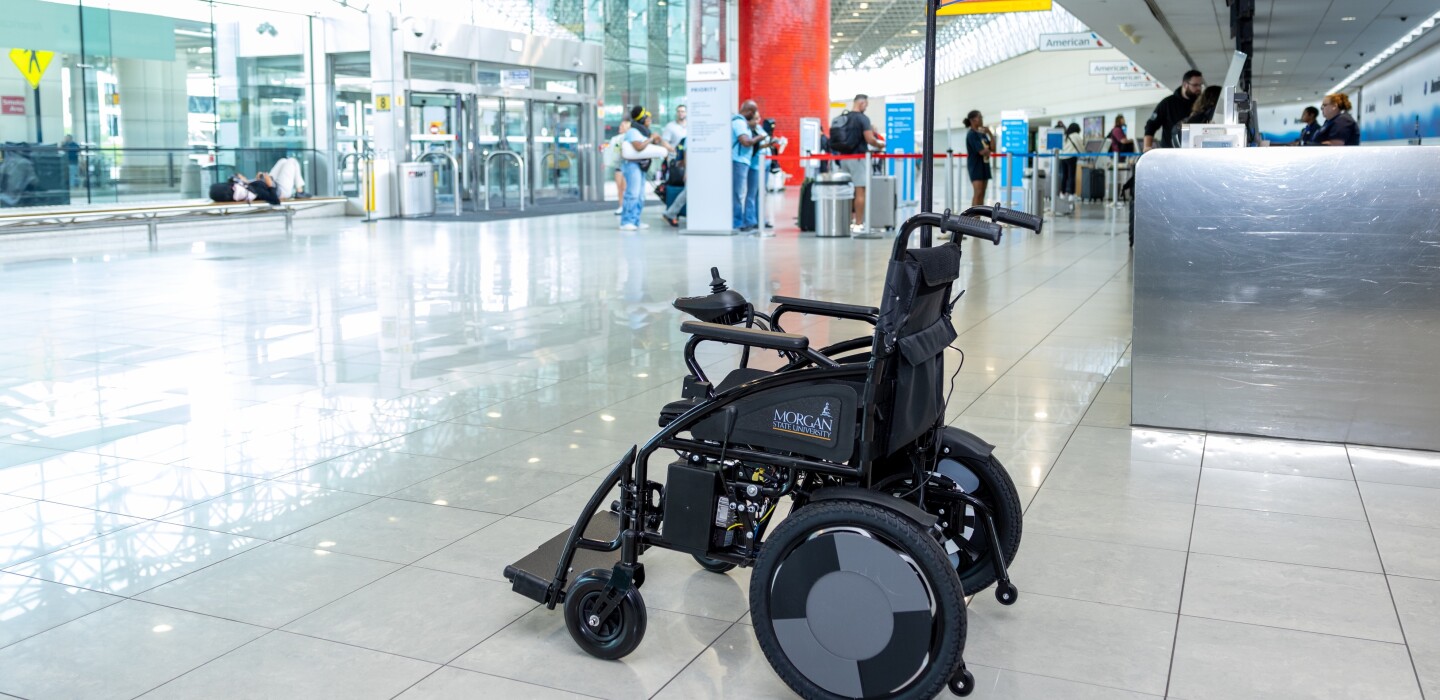
As technology continues to reshape our day-to-day experiences, airports are becoming prime examples of innovative solutions designed to enhance accessibility. Recent advancements in autonomous technology are helping passengers with limited mobility navigate airport terminals more easily, ensuring they arrive at their gates independently and on time. A notable implementation of this technology is taking place at Baltimore/Washington International Thurgood Marshall Airport (BWI), which has recently introduced autonomous wheelchairs for those needing assistance during their travels.
Promoting Independence for All
The project is centered around the idea of promoting independence, particularly for both people with disabilities and older travelers who may find it difficult to walk long distances. Mansoureh Jeihani, the director of the National Transportation Center at Morgan State University and a key member of the development team, has been instrumental in bringing this project to life. "Expanding independence was a central aim for the project," she explained. This initiative takes significant steps toward creating a travel environment where all passengers can navigate without relying heavily on others.
The Pilot Program and Its Features
The pilot program at BWI has introduced three Urban Flow wheelchairs, with plans for potential expansion to a fleet of five. Passengers can easily access these wheelchairs through a user-friendly smartphone app. This app is pivotal to the technology’s functionality, allowing users to navigate the airport smoothly. Passengers initiate the process by scanning a QR code, which directs them to the app, where they can input their gate information or any stops they wish to make along the way.
Kofi Nyarko, director of the Center for Equitable Artificial Intelligence and Machine Learning Systems at Morgan State University, highlighted some impressive features: “If you have your ticket in hand, and you want to scan it, you can do that. It will get the gate information, and now it’s on its way.” The simplicity of the app is not only a major selling point, but also a reassurance that everyone, regardless of their tech-savviness, can benefit from this innovation.
Autonomous Technology in Action
BWI is not alone in this venture. Airports like Detroit Metropolitan Wayne County Airport and Seattle-Tacoma International Airport have also implemented autonomous wheelchair solutions. Additionally, Cincinnati/Northern Kentucky International Airport is using electric autonomous vehicles known as Auto-DollyTugs, which assist with cargo and baggage handling along flight lines. These technologies demonstrate the multifaceted capabilities of autonomous systems in enhancing operational efficiency.
Airports serve as ideal testing grounds for such innovative solutions. According to Nyarko, their defined layout, combined with the need for smooth operation amid various people and systems, creates an environment ripe for improvement through automation. “To coordinate all of those operations, all those people, involves a lot of other people and a lot of other systems that are interacting,” he noted. The introduction of these systems aims to streamline operations while simultaneously making the travel experience less stressful for all passengers.
Enhancing Safety and Ease of Travel
One of the paramount benefits of integrating autonomous wheelchairs into airports lies in safety. As travelers may not always be able to rely on the help of others, having a personal, automated option can significantly reduce anxiety during travel. Nyarko emphasized, “Automation brings ease. But also brings an element of safety, if done properly, and allows these complex systems to operate in a much more autonomous fashion.” This dual advantage of improved safety and ease of navigation is making air travel more accessible than ever before.
Beyond Airports: A Future Filled with Possibilities
The applications for autonomous wheelchairs extend well beyond the walls of an airport. Researchers at Morgan State envision a wide range of potential environments where this technology could thrive—including hospitals, museums, large office buildings, and even college campuses. Imagine a scenario at Disney World where families could utilize autonomous strollers or wheelchairs that follow them through the park. Nyanko shared a vision of such integration, underscoring the broad possibilities for enhancing mobility in public spaces.
Jeihani added that the ultimate goal is to achieve true door-to-door mobility services by connecting different modes of transportation with automated systems. With ongoing advancements, the future of travel looks promising for those seeking autonomy and convenience, allowing individuals to travel with dignity and ease.
A New Era of Independence
As the journey toward advanced autonomous solutions continues, researchers and innovators remain focused on one core aim: improving independence. Nyarko encapsulated this sentiment perfectly, stating, “The technology is there to help enable them to attain their autonomy, and their independence and to be able to travel with dignity just like everybody else.” With initiatives like those at BWI paving the way, it’s clear that the future of travel is not just about technology—it’s about enhancing the experiences and lives of each traveler, regardless of their needs.