
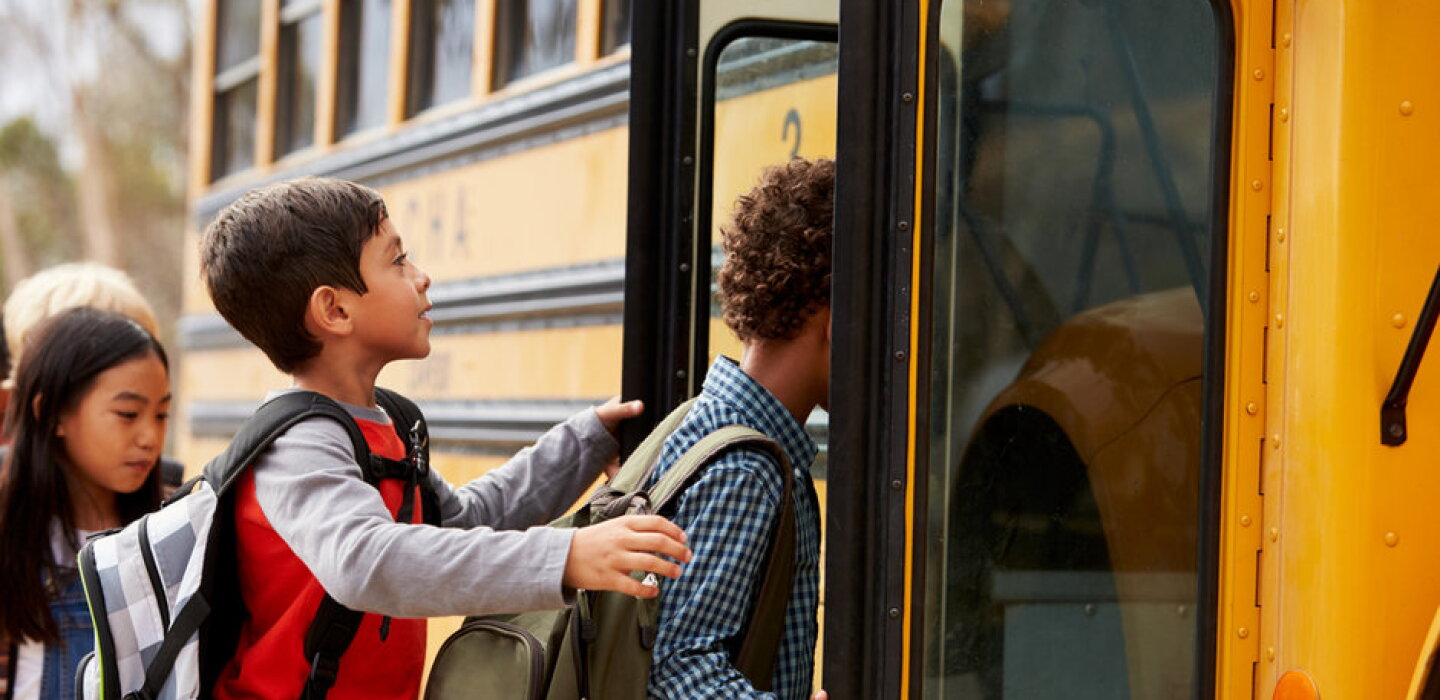
Optimizing Student Transportation: The Role of AI Tools in School Districts
Getting thousands of students to and from school each day can resemble a complex dance. Between balancing bell times, navigating traffic, and managing district lines, the challenges multiply, especially when resources such as buses and drivers are limited. Many school districts are now turning to artificial intelligence (AI)-powered route-planning tools to implement more efficient systems that reduce transportation times and improve student safety.
The Changing Landscape of School Transportation
As Corey McMahon, chief product and technology officer at HopSkipDrive, points out, the school transportation space has seen little evolution in the past 50 years. However, today’s challenges are vastly different. Increased school choice, tailored education plans, and complex student needs necessitate new strategies for effective transportation. Traditional tools may no longer suffice for modern demands.
Denver Public Schools: A Case Study
One compelling example comes from Denver Public Schools (DPS), which serves over 90,000 students, 30,000 of whom require transportation. Each day, the district transports around 5,000 students using approximately 200 buses. In collaboration with HopSkipDrive, DPS has developed a groundbreaking route-planning tool, known as RouteWise AI, designed to optimize transportation routes according to the district’s specific needs and priorities.
The partnership began five years prior, focusing initially on providing tailored transportation for students who needed more specialized support, such as those experiencing homelessness or those with disabilities. From this initiative, RouteWise AI was born, building on existing route-planning analyses to enhance the efficiency of DPS’s system.
Goals of Enhanced Transportation Systems
When establishing this collaboration, Tyler Maybee, the director of transportation operations at DPS, highlighted that safety and efficiency are paramount. One pressing concern is to maintain the current fleet of drivers without needing to hire more. In a context marked by widespread driver shortages, seeking efficiencies has become essential. "Adding more drivers into an inefficient routing system may help with late buses to a certain extent," Maybee explained, "but it does not solve the root of the problem: inefficient routes."
DPS’s transportation system serves 207 schools, making it imperative to deeply understand school schedules and the modern dynamics of K-12 education, such as school choice policies. The need to accommodate requests for bell-time changes necessitates flexibility, as even minor adjustments can significantly impact transportation logistics.
The Complexity of School Choice
A notable aspect of DPS is its emphasis on school choice, where parents can pick from a range of schools within specified "enrollment zones." This approach increases the complexity of transportation planning, as students from various neighborhoods can opt for schools that are geographically dispersed. Recently, DPS faced the challenge of managing transportation after consolidating or closing ten schools, further complicating matters.
To navigate this upheaval, RouteWise AI was enlisted to evaluate and mitigate the effects of these changes, showcasing the tool’s ability to adapt in response to evolving circumstances within the district. The adaptability of RouteWise enables districts to input their unique priorities and constraints into the model.
Custom AI Solutions for Efficient Routing
RouteWise AI empowers school districts to customize their transportation needs effectively. Districts can input their priorities—whether reducing transit times, preventing bus lateness, managing budgets, or adhering to climate goals—into the system. According to McMahon, the technology runs millions of simulations, generating multi-modal transportation plans tailored to each district’s requirements.
One success story highlights a district in Colorado Springs, where the implementation of AI tools resulted in a 46 percent increase in highly utilized bus routes. By optimizing existing routes rather than hiring additional drivers, the district successfully alleviated its staffing challenges.
Conclusion: Zone Coverage and the Road Ahead
The ongoing evolution of school transportation systems stands as a testament to the necessity of adapting to modern challenges. The integration of AI tools like RouteWise is paving the way for more efficient, cost-effective, and safe transportation solutions. As schools embrace these advancements, the focus remains firmly on providing the best possible service to students, ensuring that every journey contributes to a positive educational experience.



